
It was a productive summer for natural resources management staff, marked by significant progress on a variety of restoration projects across our parks.
Staff and volunteers continued plug plantings, hand seeding, and invasive species removal in several monarch waystations—areas specifically managed to support monarch butterflies and other pollinators by providing abundant milkweed and nectar sources.
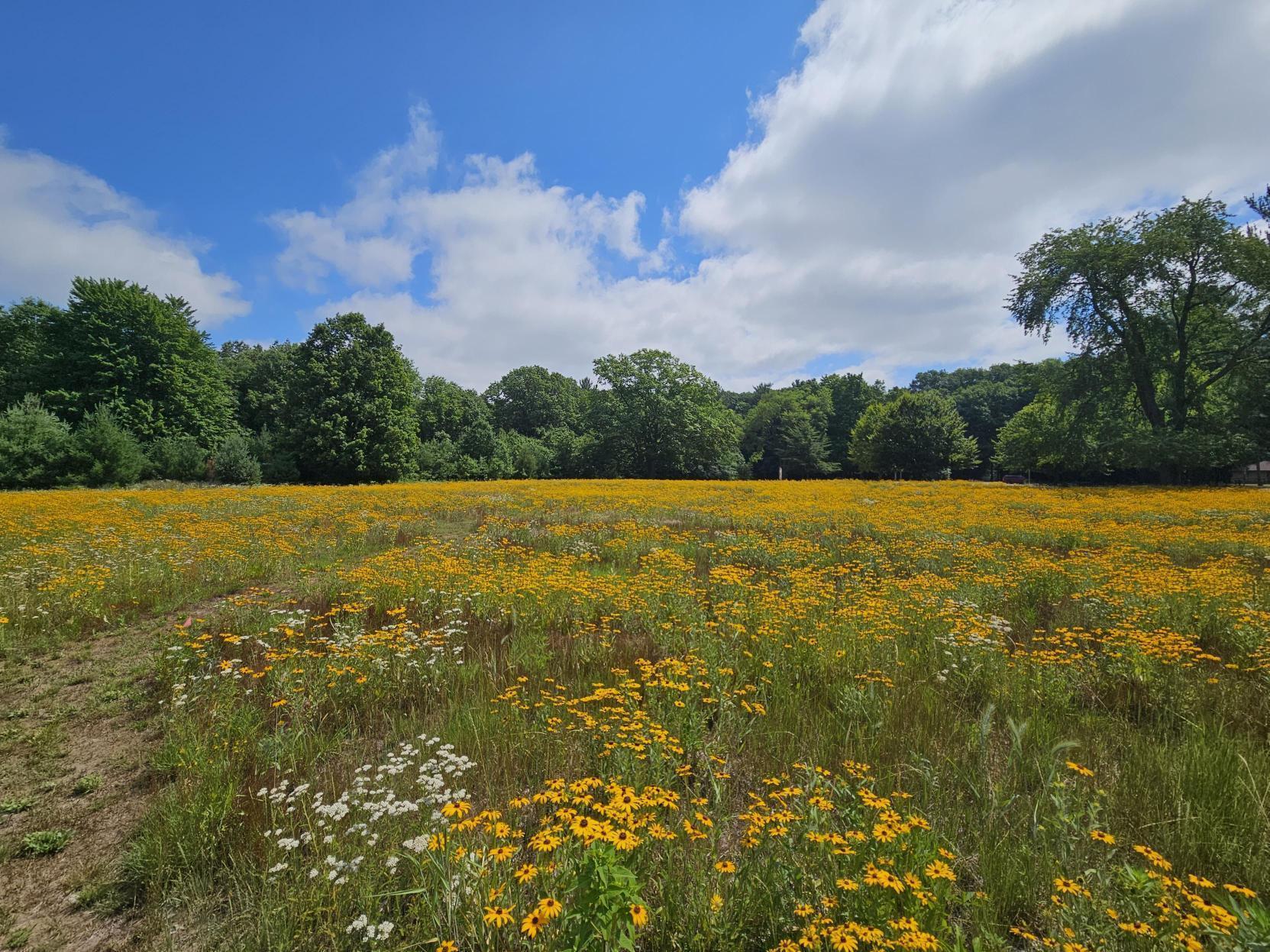
At Grose Park, an inventory of the “micro-prairie” restoration project documented 23 native plant species already flourishing. A vibrant display of black-eyed Susan, coreopsis, false sunflower, and other native blooms created a dazzling sea of yellow throughout June and July.
In late spring, two controlled burns were conducted at Stearns Creek Park to further the goal of promoting oak savanna habitat throughout the property.
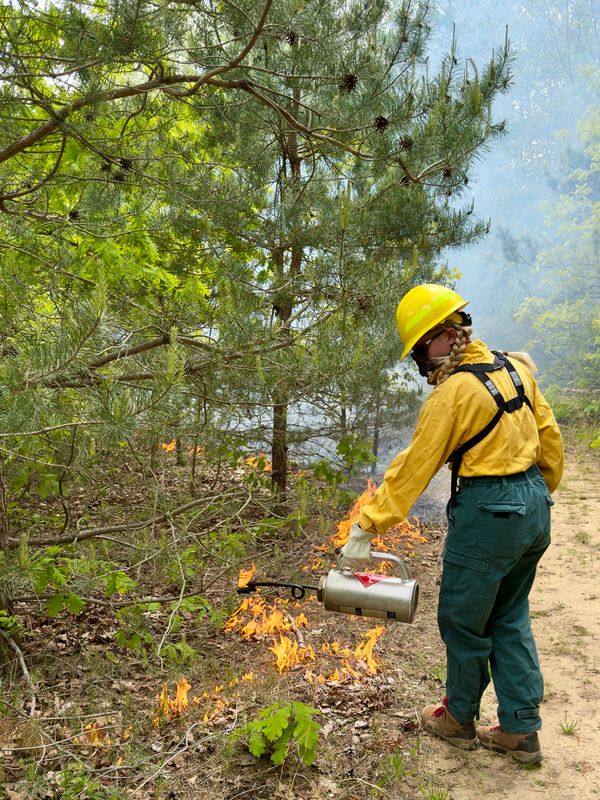
Burn crews work only within specific areas, and individuals are outfitted not just with a drip torch, but also a pressurized water pump and sprayer to manage the fire.
At Ottawa Sands, stewardship technicians focused their efforts on managing invasive species within the newly created interdunal wetlands, including spotted knapweed, purple loosestrife, and phragmites.
At the new Rosy Mound addition, staff and volunteers worked to control spotted knapweed and conducted surveys for the federally threatened Pitcher’s thistle, known to occur on the site. As part of an ongoing dune restoration project to expand habitat for Pitcher’s thistle and other native dune vegetation, staff will begin removing non-native pine trees over the winter.
Want to help make a difference in our parks? Join us for a Service Saturday!
Click here to find upcoming volunteer opportunities.